The Maigic Guide · Updated October 2026 · 5 min read
Mold-Free Coffee: What "Mycotoxin-Tested" Really Means
Most coffee is never tested for mold or mycotoxins. Here's what "mold-free coffee" means, why it matters, and what to look for on the bag.
What is mold-free coffee?
Coffee is a crop. Like grains, nuts and dried fruit, coffee beans can pick up molds during growing, drying, shipping and storage. Some molds produce mycotoxins, compounds like ochratoxin A and aflatoxins. "Mold-free" or "mycotoxin-tested" coffee has been checked by a lab for these contaminants.
Most coffee is never tested at all. That's the gap mold-tested brands fill.
Where mold comes from
- Drying. Beans that dry slowly or unevenly are the most at risk.
- Humidity in storage and shipping. Warm, damp warehouses and containers.
- Low-grade beans. Damaged or defective beans are more vulnerable.
- Age. Coffee that sits for months has more time for problems.
What Maigic tests for
Mold & mycotoxins
Checked so you know what isn't in your cup.
Pesticides
Plus 100% organic growing, no synthetic pesticides.
Heavy metals
Tested for the metals that can build up in soil and crops.
pH / acidity
Every roast is pH lab tested and naturally low acid.
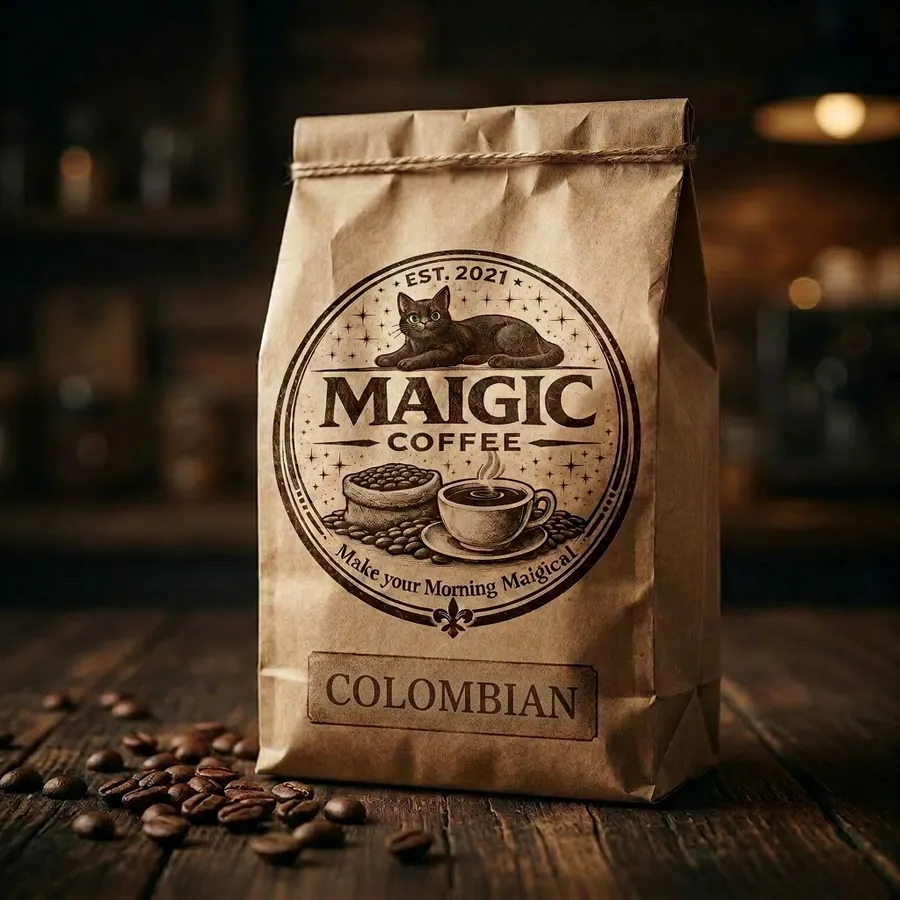
Clean, tested, low acid
Mold & mycotoxin tested, pesticide and heavy-metal tested, 100% organic, pH lab tested, and roasted to order.
Try Clean Coffee: Up to 50% OffClean coffee + low acid: why they go together
People look for mold-free coffee and low acid coffee for the same reason: they want coffee that makes them feel good, not just awake. Shade-grown, high-elevation beans tend to be higher grade, organic growing avoids synthetic chemicals, and roasting to order means beans don't sit around. Those same steps are what make coffee taste smoother and less acidic.
How to choose a mold-tested coffee brand
- They say what they test for (mold, mycotoxins, pesticides, heavy metals).
- They're organic and name where the beans come from.
- They roast to order or print a roast date.
- They pH test if they claim low acid.