The Maigic Guide · Updated October 2026 · 8 min read
Low Acid Coffee: The Complete Guide
If coffee leaves your stomach sour, your chest burning, or your teeth on edge, you don't necessarily have to quit. You may just need a different coffee.
What makes coffee acidic?
Coffee is naturally acidic. A typical brewed cup lands around pH 5, more acidic than water and less acidic than orange juice. That acidity comes from compounds like chlorogenic, citric, malic and quinic acids. They're part of what makes coffee taste bright and lively. They're also part of what some people feel afterward.
"Acidity" means two things in coffee: the bright, tangy taste coffee pros prize, and the actual acid content that can bother a sensitive stomach. Low acid coffee aims to keep the flavor and lose the bite.
6 factors that lower coffee's acidity
1. Shade-grown beans. Coffee grown in direct sun grows fast, and fast growth means higher acidity. Shade-grown coffee grows slower and develops a naturally lower-acid bean. Only about 2% of the world's coffee is shade-grown. More on shade-grown coffee.
2. High elevation. Beans grown high in the mountains (Maigic's are over 5,700 ft) mature slowly in cooler air, which deepens flavor and smooths acidity.
3. Roast level. Longer roasting breaks down more of the chlorogenic acids, so medium-dark and dark roasts usually taste less acidic than light roasts.
4. Freshness. Coffee that sits on a shelf for months goes stale and tastes harsher and more bitter. Roasted-to-order coffee is noticeably smoother.
5. Growing clean. Organic coffee is grown without synthetic pesticides and fertilizers. Coffee can also pick up mold and mycotoxins during drying and storage, which is why some brands, including Maigic, lab test for them. What mold-free coffee means.
6. Brew method. Cold brew extracts fewer sharp-tasting acids. A coarser grind and a shorter hot brew also help.
Low acid coffee pH, explained
pH runs from 0 (very acidic) to 14 (very alkaline), with 7 as neutral. Most brewed coffee falls roughly between pH 4.8 and 5.4. Low acid coffee sits at the higher, gentler end of that range. For context, orange juice is around pH 3.5 and water is 7. Small pH differences matter more than they look: the scale is logarithmic, so each full step is ten times more or less acidic.
pH isn't the whole story, though. How acidic coffee tastes also depends on which acids are present, the roast and the brew. That's why we pH lab test every roast and taste it.
Is low acid coffee better for a sensitive stomach?
Coffee affects everyone differently, and low acid coffee is not a treatment for acid reflux, GERD or ulcers. If you have those conditions, talk with your doctor first. That said, many people with sensitive stomachs say a low acid coffee is the first coffee they can enjoy again. That's exactly how Maigic started (more in our coffee for acid reflux guide):
"For years, I avoided coffee. Acid reflux. Discomfort. That heavy, burnt feeling… It wasn't coffee that was the problem. It was the coffee I had been drinking."
Founder, Maigic Coffee
How to choose a low acid coffee brand
Most "low acid coffee brands" make the claim. Fewer show their work. Use this checklist (or jump to our best low acid coffee picks):
- pH tested: do they actually measure acidity?
- Grown low-acid: shade-grown, high elevation, and named regions
- Lab tested for purity: mold, mycotoxins, pesticides, heavy metals
- Organic
- Roasted to order: a roast date, not just a "best by"
- Tastes like real coffee: low acid shouldn't mean flat
- Easy to cancel if it's a subscription
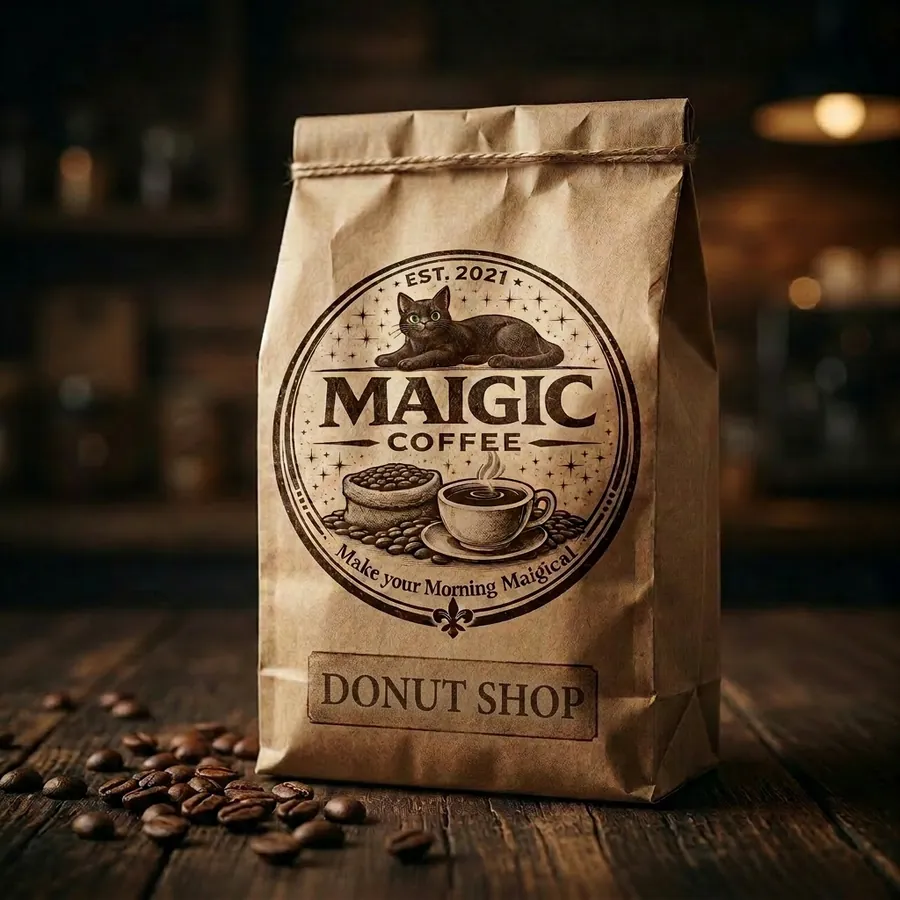
Maigic checks every box
Shade-grown at 5,700+ ft, pH lab tested, tested for mold, toxins & heavy metals, 100% organic, roasted to order.
Try Maigic: Up to 50% OffComparing brands? Here's our honest Maigic vs Lifeboost comparison.
How to brew the gentlest cup
- Start with fresh, whole bean coffee and grind right before brewing.
- Try cold brew: coarse grind, 1 part coffee to 8 parts cold water, steep 12 to 18 hours, strain.
- Don't over-extract: bitter, sour coffee often means too fine a grind or too long a brew.
- Skip stale single-use pods. Use a reusable pod with fresh coffee instead.
- Eat something first if your stomach is sensitive in the morning.
Low acid coffee FAQ
What is low acid coffee?
Is low acid coffee better for acid reflux?
What coffee has the least acid?
Does dark roast have less acid than light roast?
Is cold brew less acidic?
Is low acid coffee less caffeinated?
What pH is low acid coffee?
What is mold-free or mycotoxin-tested coffee?
This guide is for general information and isn't medical advice. Talk with your doctor about acid reflux, GERD or any digestive condition.